
SCIENCE
Expeditions
Arctic Pulse has coordinated three years of intensive and collaborative research expeditions with regional, national and international partners, spanning 2027-2029. This research centers Indigenous research priorities and partnerships between Indigenous knowledge holders and decisionmakers, academic institutions and government.





2027 (ISR-Canada-Germany)
In the summer of 2027, a landmark scientific collaboration will unfold in the Canadian Arctic. Two of the world’s leading polar research vessels, the German RV Polarstern and the Canadian CCGS Amundsen, will join forces to explore one of the fastest-changing environments on Earth: the Mackenzie–Beaufort Sea system. This joint expedition marks a new era of coordinated Arctic science that spans from land to ocean, from the surface to the seafloor, and from Indigenous knowledge to satellite-based Earth observation.
The Beaufort Sea and Mackenzie Delta are a hotspot of Arctic transformation. As permafrost thaws, glaciers retreat, and wildfires intensify, massive amounts of freshwater, sediment, carbon, and pollutants are released from the land into the ocean. These changes reshape marine ecosystems, alter biogeochemical cycles, and challenge the traditional role of the Arctic as a carbon sink. Understanding the pace and consequences of these changes is urgent—not only for Arctic communities but for the global climate system.
Arctic Pulse 2027 is designed as an integrated, multidisciplinary campaign. The RV Polarstern will focus on deep-sea processes, sediment dynamics, and paleoclimate archives, while the CCGS Amundsen will expand the spatial and temporal coverage with advanced underwater vehicles and complementary oceanographic capabilities. Together, the ships will conduct coordinated observations across two months, offering an unprecedented view of seasonal dynamics in Arctic waters. But the project doesn’t end at sea. Simultaneous land, river, and nearshore fieldwork, carried out in close collaboration with Indigenous communities, will investigate permafrost degradation, changing river chemistry, and the fate of terrestrial carbon as it travels toward the ocean. These efforts are further supported by remote sensing campaigns, aircraft surveys, and real-time river monitoring programs, creating a seamless observational link from space to seabed.
At the heart of the expedition is a strong commitment to co-development with Inuvialuit partners. Research priorities have been shaped through dialogue with regional organizations and reflect deep community concerns: from food web changes and contaminant exposure to coastal erosion, sea-ice loss, and beluga habitat shifts. Indigenous experts will play an active role throughout the campaign, including onboard participation and co-authorship of results, ensuring that the knowledge generated is meaningful, respectful, and accessible.
More than a scientific mission, Arctic Pulse 2027 is a symbol of what is possible when nations, disciplines, and knowledge systems work together. As a core contribution to the pan-Arctic Arctic Pulse initiative and a stepping stone toward the next International Polar Year, the project seeks to deliver transformative insight into Arctic change, and help communities and ecosystems prepare for the future.
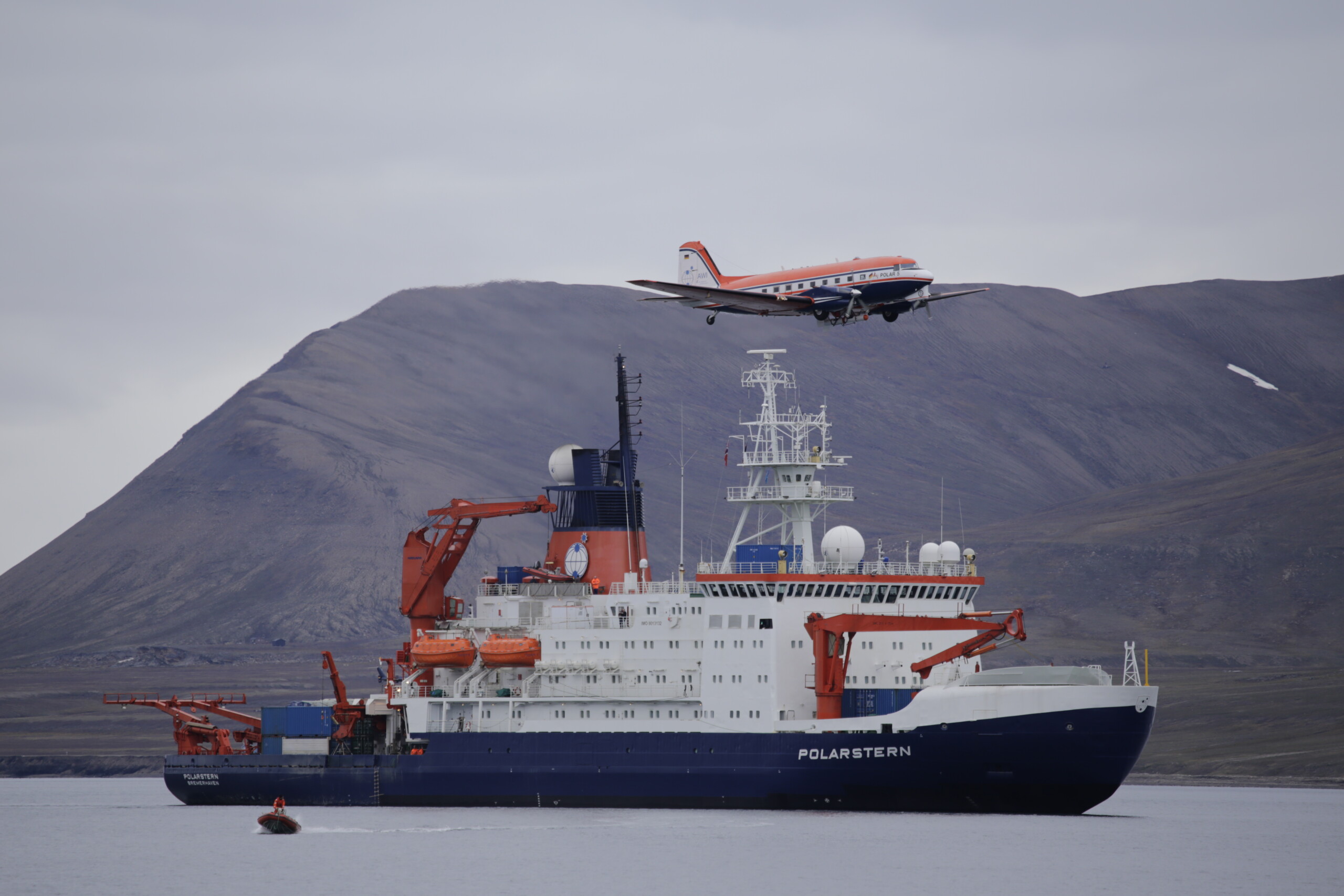
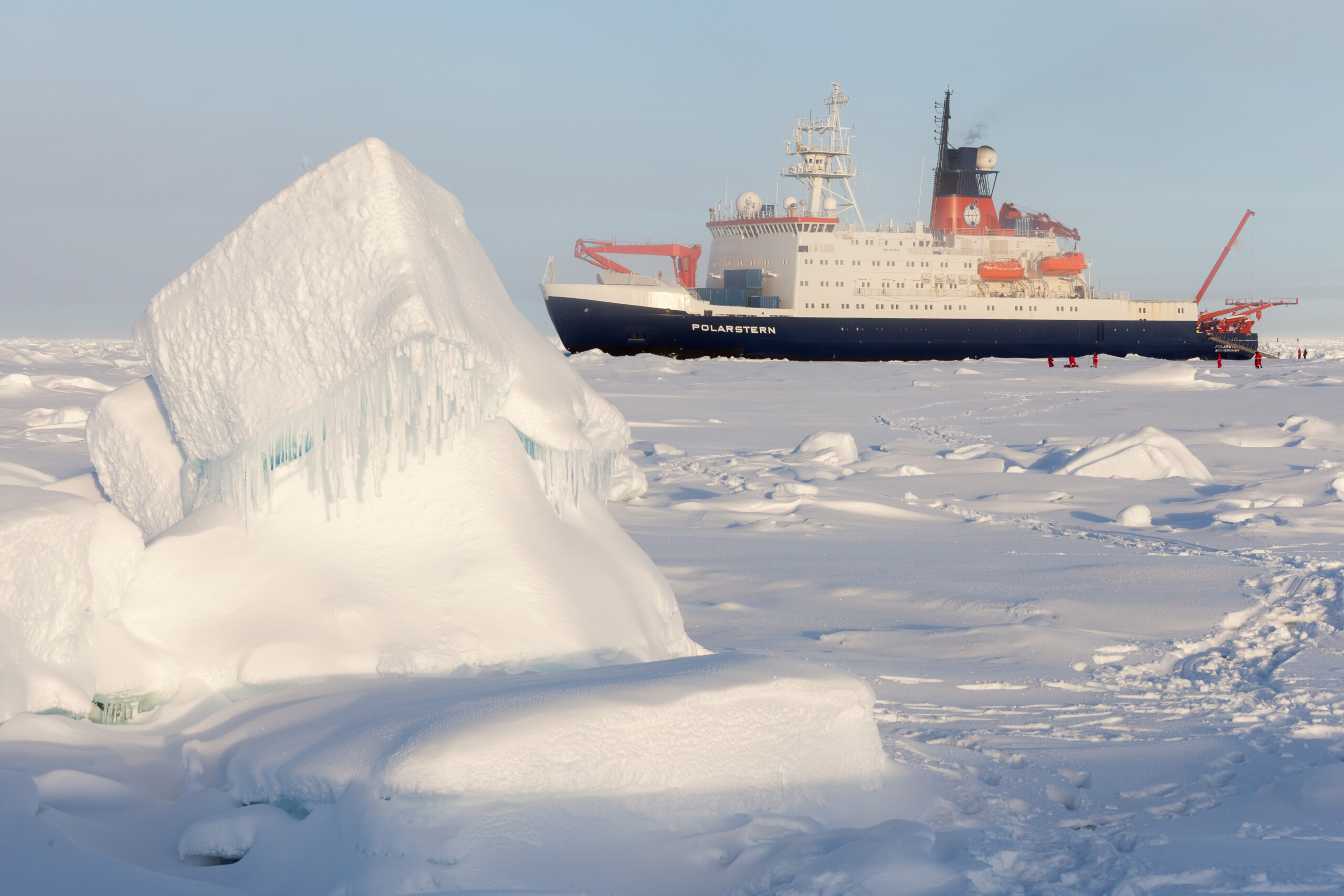
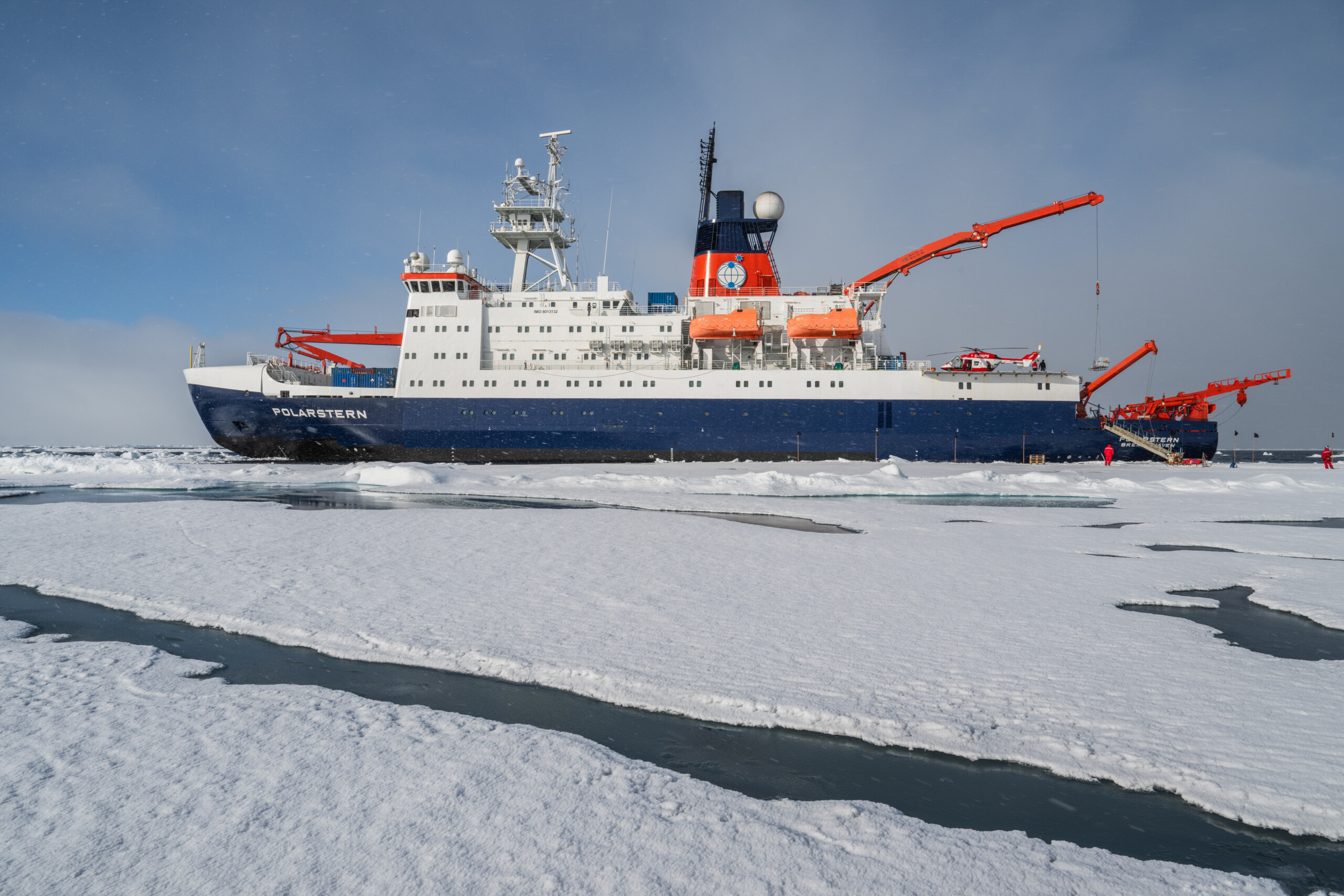
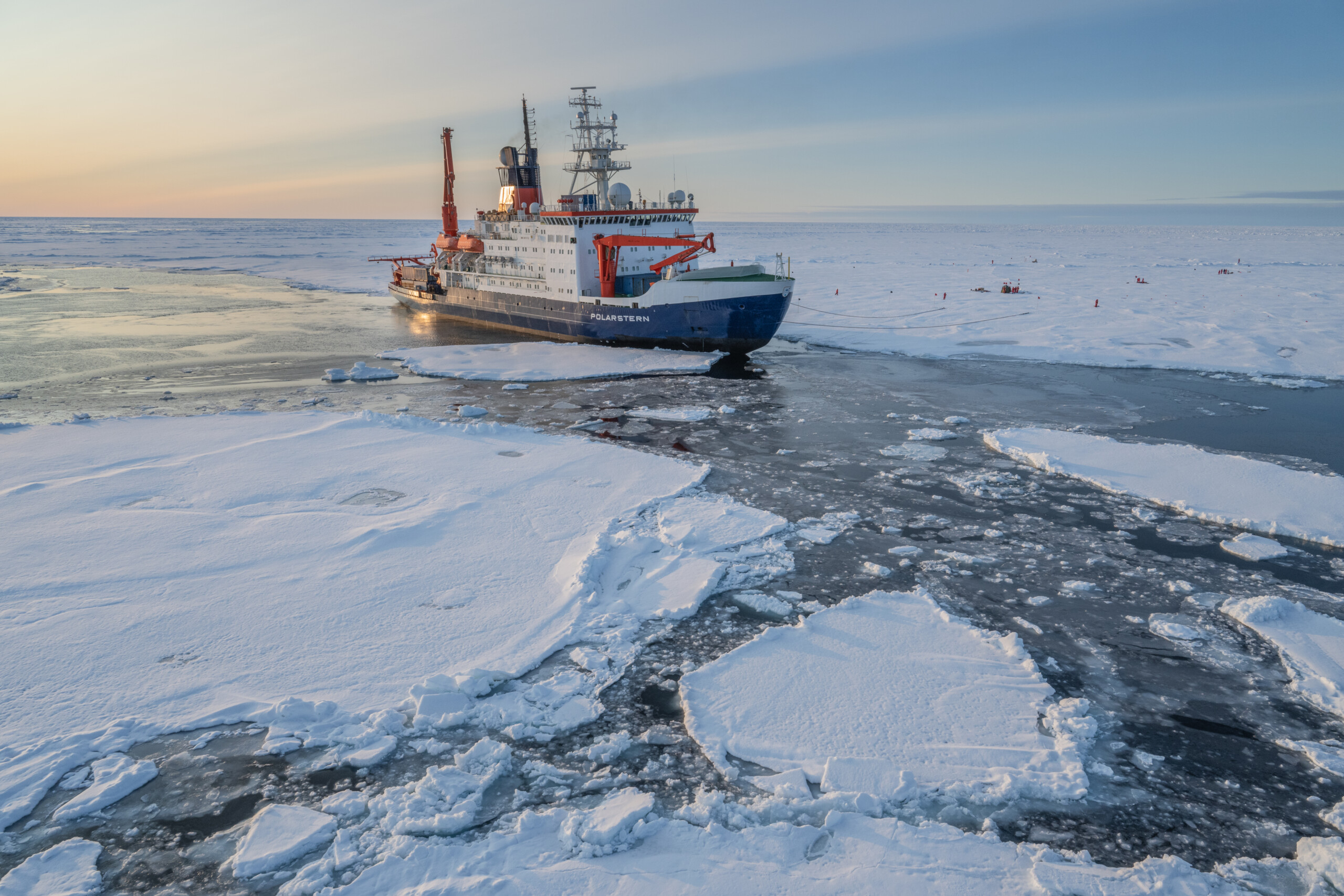
German vessel RV Polarstern (Alfred Wegener Institute)
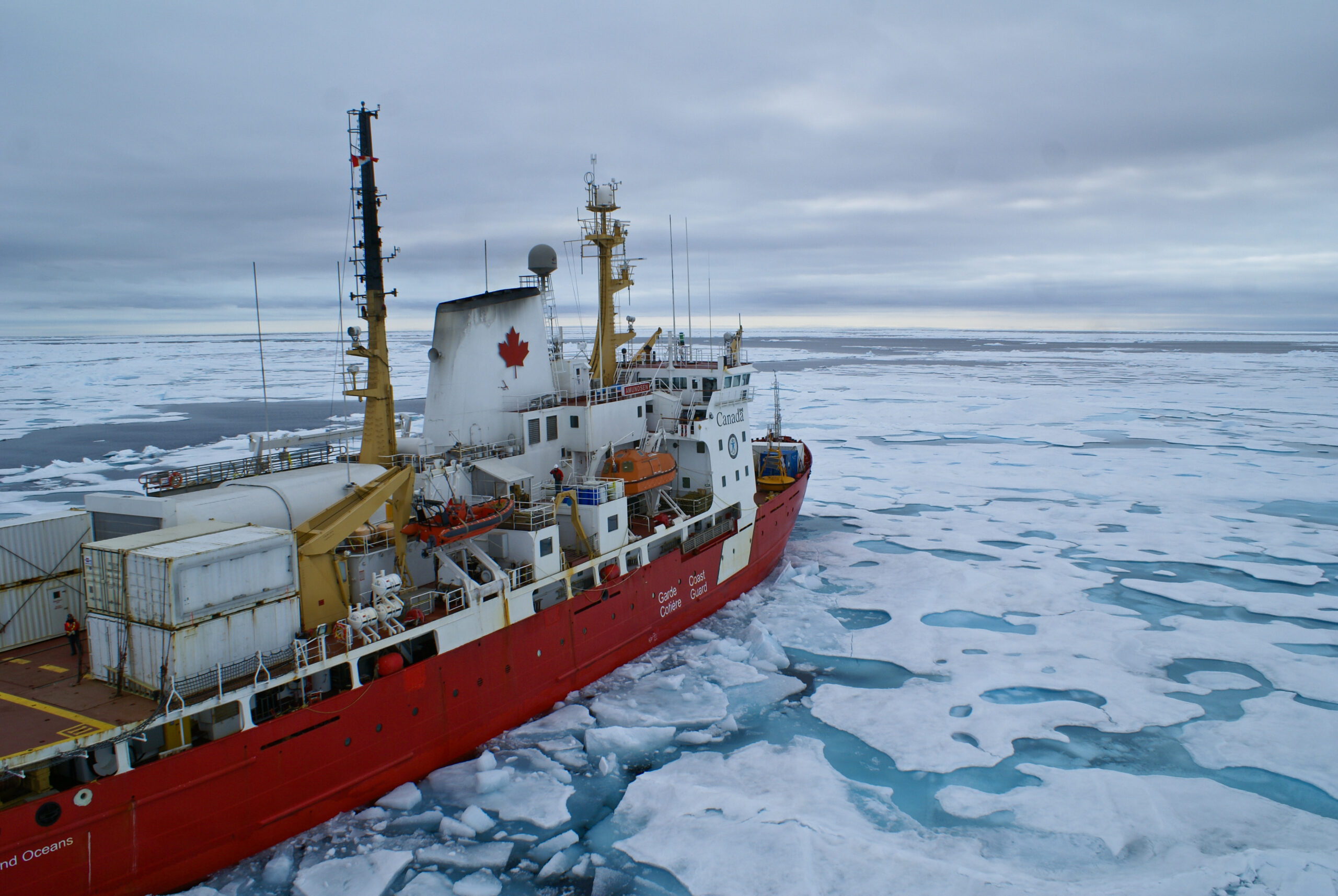
CCGS Amundsen (photo: Martin Fortier / ArcticNet)
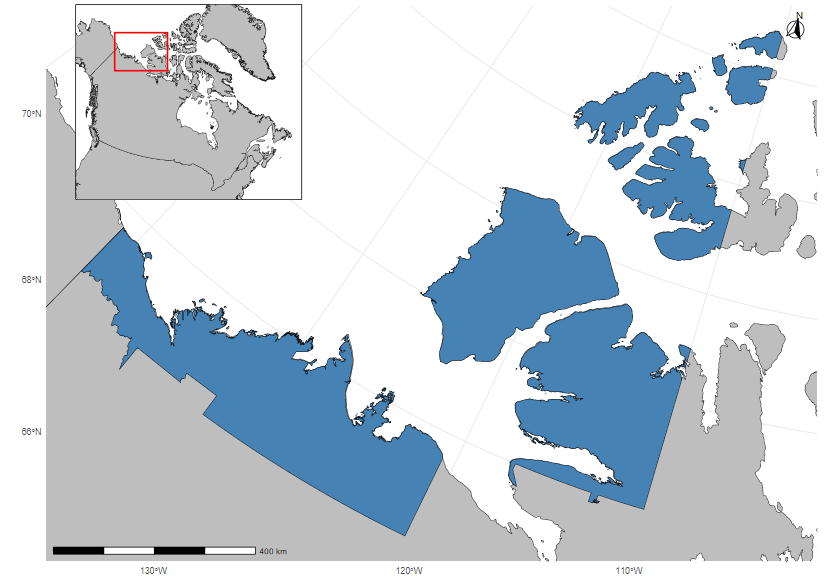
Map of the Inuvialuit Settlement Region (ISR) with reference to Canada (credit: Nathaniel Holloway; ISR shapefile from Government of Canada OpenData and earth shapefile from R package rnaturalearth)
2028 (TBD)
Fieldwork details coming soon.
2029 (Canada-Japan)
Fieldwork details coming soon.
